

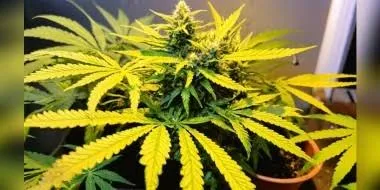
Yellow leaves are among the most common warning signs noticed after a clone enters a new environment. The color change may appear suddenly or develop over several days. It can affect one older leaf, several lower leaves, or the newest growth. Because many problems can create a similar symptom, the safest response is to observe the pattern before adding nutrients or changing the entire setup.
Start by Examining the Pattern
The location and shape of the yellowing can provide useful clues. A single older leaf fading near the bottom may reflect normal adjustment or transport damage, while widespread pale growth may indicate a larger environmental or root-zone issue. Yellow areas between veins differ from burnt edges or bleached patches near a strong light.
Take photographs under neutral lighting and compare them over several days. This makes it easier to see whether the condition is spreading, stable, or improving. Notes about watering, feeding, temperature, humidity, and recent changes can also reveal useful patterns.
Review Watering First
Watering is one of the first areas to check when clones yellowing of clones becomes noticeable. Young plants need moisture, but roots also require oxygen. Growing media that remain saturated can reduce airflow around the roots and interfere with normal uptake. The plant may look weak even though the container appears wet.
Severe drying can also create stress. Small containers may lose moisture quickly under warm lights or dry airflow. Instead of following a rigid schedule, check the medium below the surface and learn how the container feels when it is wet, partly dry, and ready for water.
Check Light Intensity
Newly delivered clones are often raised under controlled nursery lighting. Moving them immediately under a powerful fixture or into direct outdoor sun can cause bleaching, curling, drooping, or yellow patches. Top leaves may show symptoms first because they receive the greatest intensity.
Introduce stronger light gradually. Begin with a safer distance or lower setting, then adjust as the plant produces stable growth. Outdoor plants may benefit from partial shade before longer periods of direct sunlight.
Consider Temperature and Humidity
Young clones usually respond better to stable conditions than to large swings. Heat can increase water loss, while cold may slow root activity. Very dry air can dehydrate leaves, and stagnant humidity can create other problems.
Place a thermometer and humidity monitor near the plant. Airflow should be gentle enough to move the surrounding air without constantly bending the stem or drying the foliage.
Inspect the Root Zone
A clone can appear acceptable above the surface while still having weak or disturbed roots. Poor drainage, compacted medium, transplant shock, physical damage, or sudden temperature changes can reduce the roots’ ability to absorb water and minerals.
The plant should feel stable in its container. A loose stem, unpleasant smell, slimy roots, or very slow drainage may indicate a root-zone concern. Repeated transplanting while the plant is stressed can make the problem worse.
Evaluate Nutrition Carefully
Nutrient deficiency is one possible cause of clones turning yellow, but color alone is not enough for a diagnosis. Overfeeding, salt accumulation, unsuitable pH, poor root health, and water-quality issues can create similar symptoms.
Before adding fertilizer, review what has already been applied and whether the product suits the plant’s stage. Young clones usually require a gentler approach than mature plants. Follow the manufacturer’s instructions and avoid combining several corrective products.
If root-zone pH is unsuitable, minerals may be present but unavailable. Measuring pH and concentration can help, but readings should be considered alongside root condition, water quality, and plant response.
Look for Pests and Disease
Leaf discoloration may also be linked to pest activity or disease. Inspect upper and lower leaf surfaces, stems, growing media, and nearby equipment. A magnifying lens can reveal tiny insects, eggs, webbing, residue, or damaged tissue.
Separate suspicious plants from healthy ones while the issue is investigated. Clean hands and tools between groups. Early isolation is easier than managing a problem after it spreads.
Separate Transport Damage from Ongoing Stress
Leaves can be bent, rubbed, or crushed during shipping. Damaged tissue may yellow later, even when the rest of the plant is recovering normally. In this case, the problem may remain limited to a few older leaves while new growth stays healthy.
Arrival photographs help show what damage existed before the plant entered the new environment. They can also support communication with the seller when a plant arrives with a serious concern.
Change One Major Factor at a Time
Changing several factors at once can create more stress and make diagnosis difficult. A grower might alter the light, add nutrients, repot the plant, and change watering on the same day. If the plant improves or declines, it becomes difficult to identify the cause.
Correct the most obvious issue first. If the medium is saturated, allow drainage and review watering. If the light is too intense, reduce it and observe the response. Keep notes and allow enough time to judge the result.
Know When to Seek Help
If yellowing continues to spread despite stable conditions and basic corrections, advice from an experienced local cultivator or qualified horticultural professional may be useful. Clear photographs, environmental readings, watering history, and nutrient records will make that advice more specific.
All cultivation should also comply with current local rules, which may vary by state, city, county, and property type.
Review the Supplier’s Arrival Guidance
A responsible nursery should explain how the clone was watered, lit, and packed before delivery. Following that guidance during the first days may reduce abrupt changes. Buyers should also understand the reporting window for damage, shortages, or serious plant-health concerns and keep the plant label with their records.
Final Thoughts
Yellow leaves are a symptom rather than a complete diagnosis. Watering, light, temperature, humidity, roots, pH, nutrition, pests, and transport history should all be considered before treatment is chosen.
The most effective response is methodical: inspect the pattern, review recent changes, correct one likely problem, and observe the plant. Stable care and patient recordkeeping are usually more useful than aggressive feeding or repeated intervention. Understanding the full environment around the clone gives growers a better chance to identify the real cause and support recovery.
