

Smoking vs Vaping Costs in the UK: How Much Could You Save?
Smoking has become an increasingly expensive habit in the UK, with cigarette prices continuing to place pressure on household budgets. While purchasing a single packet may seem manageable, daily spending can accumulate into thousands of pounds annually. Consequently, many adult smokers are exploring whether switching completely to vaping could reduce their regular expenses.
Understanding the financial differences between smoking and vaping requires more than comparing product prices. Equipment costs, replacement components, consumption patterns and long-term maintenance all influence how much someone might realistically save.
How Much Does Smoking Cost in the UK?
The cost of cigarettes depends on the brand, retailer and quantity purchased. However, frequent smokers can easily underestimate their annual expenditure because purchases are spread across multiple transactions.
For example, someone spending £16 daily on cigarettes would pay approximately £112 weekly and £5,840 annually. Even reducing consumption by half would still represent considerable yearly spending.
These figures are illustrative rather than current average retail prices. Actual costs will differ according to purchasing habits and cigarette prices.
Understanding the Cost of Vaping in the UK
Unlike cigarette smoking, reusable vaping systems usually involve an initial equipment purchase followed by recurring expenses for e-liquids, replacement pods and coils.
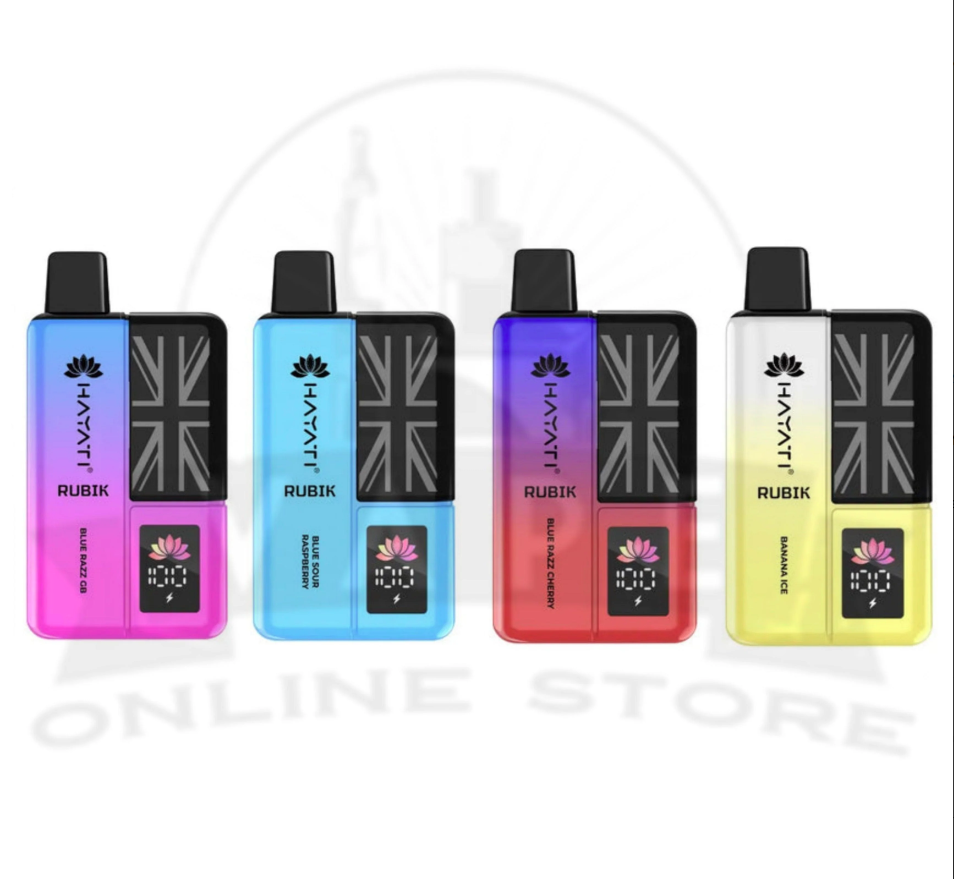
Adults researching products within the elf bar vape uk category may encounter rechargeable pod systems alongside information about older disposable products.
Since the UK banned the sale and supply of single-use vapes in June 2025, cost comparisons should focus on legally compliant reusable devices.
Although some reusable systems require a larger initial investment, replacement consumables may cost less than daily cigarette purchases. However, spending ultimately depends on individual usage patterns.
Smoking vs Vaping: Annual Cost Comparison
A practical comparison helps illustrate how different spending habits can affect the overall cost.
| Expense | Cigarettes | Reusable Vaping |
| Initial equipment | £0 | £25 |
| Average daily running cost | £16 | £3 |
| Running cost over 30 days | £480 | £90 |
| Estimated first-year total | £5,840 | £1,120 |
Under these hypothetical assumptions, completely replacing smoking with vaping could produce approximately £4,720 in first-year savings.
However, these calculations exclude unexpected replacement costs and price changes. They should therefore be treated as examples rather than guaranteed financial outcomes.
How Battery Life Affects Long-Term Spending
Battery performance can influence the running costs of reusable vaping devices. Equipment that requires frequent replacement may become more expensive over time.
For example, adults exploring information about hayati vape battery life should compare the specifications of individual rechargeable models rather than assuming that all devices provide identical performance.
Charging practices, battery capacity and frequency of use can affect how long equipment remains functional.
Following manufacturer instructions and replacing damaged components appropriately may help avoid unnecessary spending while supporting safer device operation.
Why Dual Use Can Reduce Potential Savings
One common mistake when calculating savings is assuming that vaping automatically replaces cigarette expenditure.
Some adults continue purchasing cigarettes while using vaping products. This behaviour, known as dual use, introduces additional costs without necessarily eliminating previous spending.
For instance, reducing cigarette purchases from seven packets weekly to four may lower tobacco expenses, but buying vaping supplies creates another regular financial commitment.
The NHS also explains that adults who use vaping to quit smoking gain the full health benefits of switching only when they stop smoking cigarettes completely.
Other Expenses Worth Considering
Vaping-related spending can extend beyond e-liquid and replacement cartridges. Charging accessories, damaged components and equipment replacement may contribute to ownership costs.
Different devices also have varying maintenance requirements. Some use replaceable coils, while others rely on complete pod replacements.
Retail prices can change over time, and future taxation or regulatory developments may affect overall expenditure.
Consequently, comparing several months of actual spending provides a more accurate picture than evaluating a single purchase.
How to Calculate Your Personal Savings
Begin by recording cigarette purchases over a typical month. Include additional spending during weekends, social occasions or periods of increased consumption.
Next, calculate the full cost of vaping equipment and replacement consumables over the same period.
Subtract vaping expenditure from cigarette expenditure to estimate the potential difference. Annual savings can then be projected, allowing for changing usage patterns and replacement costs.
Importantly, anyone who quits cigarettes and nicotine products entirely may eventually eliminate both categories of expenditure.
Is Vaping a Healthier Alternative to Smoking?
The NHS states that nicotine vaping is less harmful than smoking because it avoids many toxic substances created by burning tobacco. Nevertheless, vaping is not risk-free, and nicotine remains addictive.
Vaping is intended as a smoking cessation option for adults who already smoke, not something non-smokers should begin using.
Financial savings may provide additional motivation, but long-term health should remain the primary consideration when deciding how to stop smoking.
Conclusion
Comparing smoking and vaping costs reveals how everyday purchasing decisions can influence annual household expenditure. For adults who currently smoke, switching completely to a reusable vaping system may reduce spending, depending on equipment choices, maintenance requirements and consumption habits. However, dual use can significantly reduce potential savings, while unexpected replacement costs may affect calculations. Recording actual expenses provides a more dependable estimate than relying on promotional figures. Ultimately, stopping smoking remains the most important objective, and becoming entirely nicotine-free offers the opportunity to eliminate ongoing nicotine-related expenditure while supporting better long-term health.
